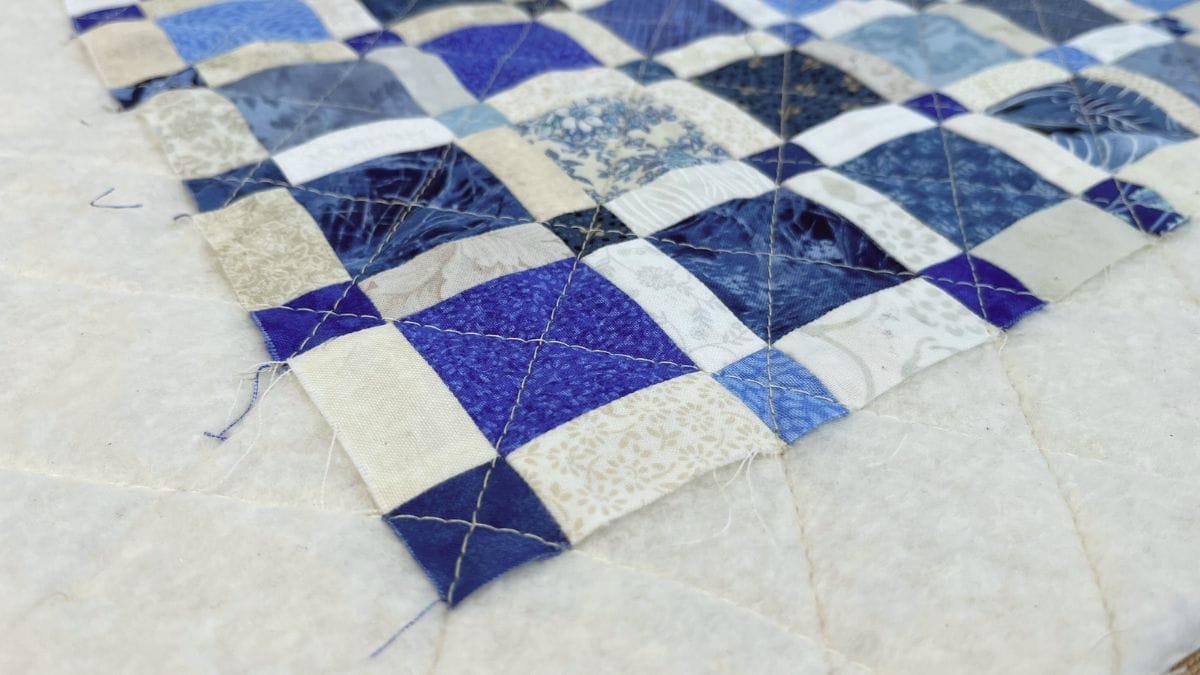
I’ve made a few quilted table runners now, so I feel comfortable with the basics, but every project still teaches me something new. Preparing my quilt sandwich for machine quilting — the quilt top, batting, and backing — is always the first step. I enjoy pinning the layers together. There’s something strangely satisfying about seeing the quilt held in place by all those pins. Placing pins rhythmically, I love working with my hands repetitively.
I start pinning in the center and work outward, which seems to prevent wrinkles and keeps the layers aligned. I use Coats and Clark 100% cotton thread, which glides nicely through my Heavy Duty Singer sewing machine. Even after a few projects, I sometimes forget to adjust the tension, stitch length, and needle position as I go. Learning to double-check is a good practice to keep in mind.
Setting up my workspace is also part of the process I’ve grown to appreciate. I make sure my table is clear, that I have enough space for the quilt to move freely, and that bobbins are wound ahead of time. These small preparations save so much stress once I start sewing.
Beyond the technical details, this stage is also a moment for mindfulness. I take a breath, appreciate the colors and patterns in the quilt, and let myself feel excited about what I’m about to create. Even though I’m not always feeling great about myself, I’ve learned to enjoy this quiet, meditative moment before most projects. Preparing the quilt sandwich is more than a step — it’s part of the joy of quilting itself.
Straight-Line Machine Quilting: Finding My Groove
For this project, I chose straight diagonal lines. Even though I’ve fantasized about trying curvy lines and free-motion quilting, straight-line machine quilting is likely to be a more stable technique for me at this time. I start in the middle and work outward, row by row, which helps keep everything balanced and prevents puckers or stretching.
Using a walking foot for machine quilting has been a big help. It allows the quilt top, batting, and backing to feed evenly, which makes stitching smoother. I remove pins just before the needle reaches them — small bumps are okay with the foot, and it’s easier to remember to move bulky safety pins than a standard quilting pin. Don’t remove more pins than necessary at a time, because they help keep the layers from shifting too much.
One thing I notice every time I sew is how much my approach has changed. When I first started, I tried to control movement, tugging at the fabric. Now I guide gently, trusting the feed dogs and letting the quilt flow naturally. Using more pins has also helped. Each row teaches me something about rhythm, patience, and attention to detail.
Straight-line quilting also gives me a chance to practice mindfulness. I focus on the sounds of the machine and the feel of the fabric under my fingers. It’s meditative — a quiet moment in the life of a busy mind. Even small imperfections in my lines remind me that quilting is as much about acceptance as it is about the finished project.
Mindfulness and Machine Quilting
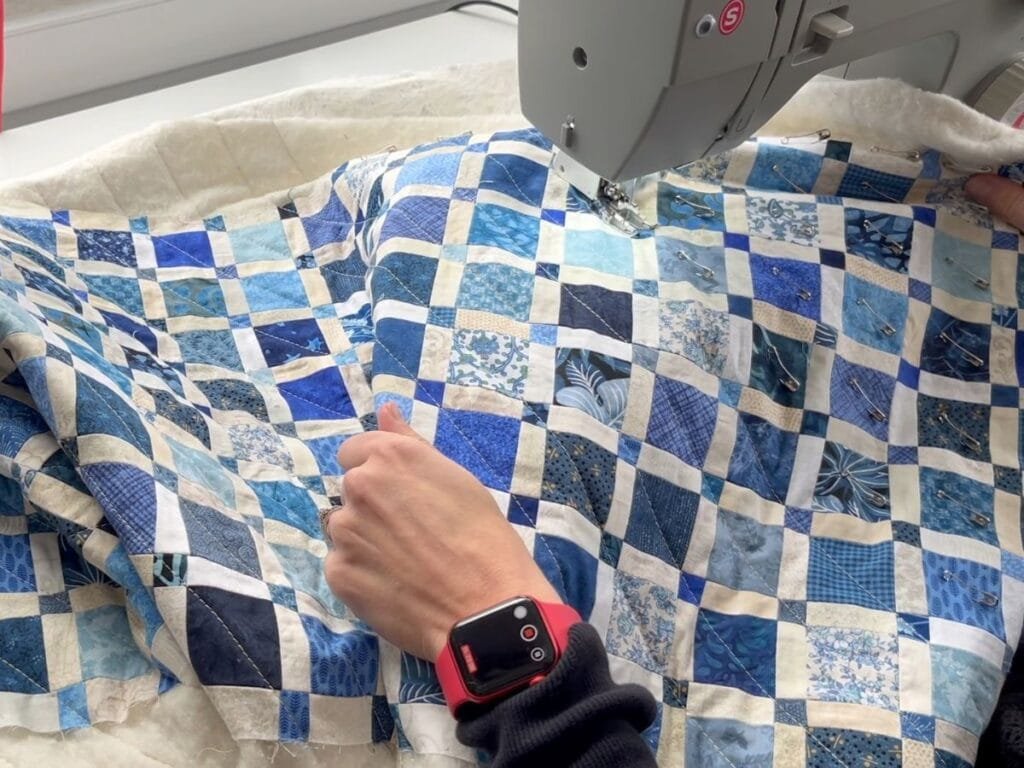
Quilting has become more than just a hobby for me — it’s a valuable mindfulness exercise. Paying attention to the fabric, thread, and the rhythm of the machine keeps me in the moment. Even after several mistakes, I notice how calming it can be to focus solely on moving forward.
As I learn, I’ve started to connect quilting to DBT skills. I practice awareness, patience, and acceptance as I sew. If a line isn’t perfectly straight, I remind myself that imperfection is part of the charm. Some squares aren’t perfectly aligned, but they tell a realistic story of learning and growth.
It’s also surprising how quilting helps me process other things in life. Guiding the fabric, noticing tension, and correcting small mistakes gives me perspective — sometimes small adjustments make a big difference, whether in sewing or everyday situations. I’ve learned to pause, take a breath, and stay present, even when things don’t go perfectly.
These quiet moments make the process feel deeply satisfying. Machine quilting becomes not just about finishing a table runner, but about slowing down, focusing on what’s in front of me, and finding joy in progress over perfection.
Heavy Duty Singer Sewing Machine
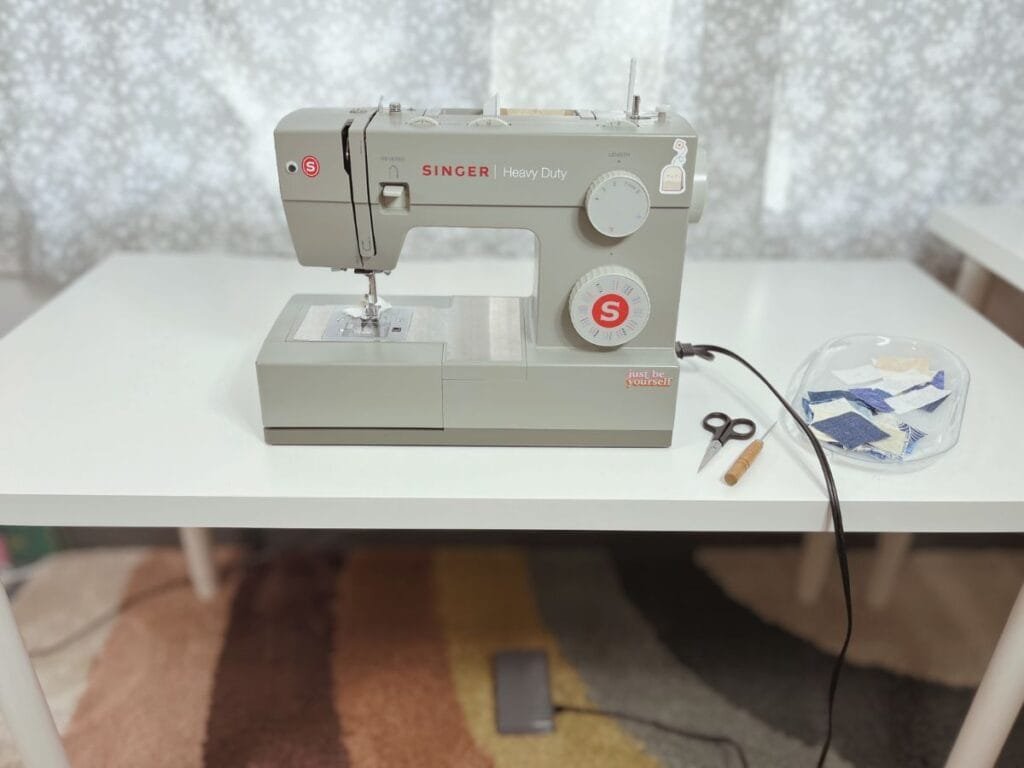
Over the years, I’ve learned I like using my Heavy Duty Singer sewing machine more than some other machines I’ve tried. That is kind of funny because at first I liked this machine the least, but now I find it handles multiple layers without complaints. The walking foot keeps everything moving evenly, which is a relief when dealing with larger pieces.
Thread matters a lot, but it doesn’t have to cost a lot. I use Coats and Clark 100% cotton thread, which is consistent and reliable. I’ve experimented with a few other threads, but this one has been dependable and affordable. Needles are also something I pay attention to — replacing them when they start to dull prevents skipped stitches or frustration. I’ve also found they take longer to dull than I expected.
Coping with brain fog, I’ve learned to plan ahead in small, simple steps. Winding extra bobbins before starting prevents interruptions and keeps my sewing flow consistent. I’ve realized small preparations reduce stress and allow me to focus on enjoying the process.
Beyond the technical benefits, using familiar tools also gives me confidence. Each project teaches me small lessons — how the thread tension changes, how the quilt feeds differently depending on its size, and how to support the quilt to prevent puckers. I may not be a professional, but thoughtful tools and preparation help me feel more capable with each table runner I complete.
Quilting Diagonal Lines: Creating “X” Shapes
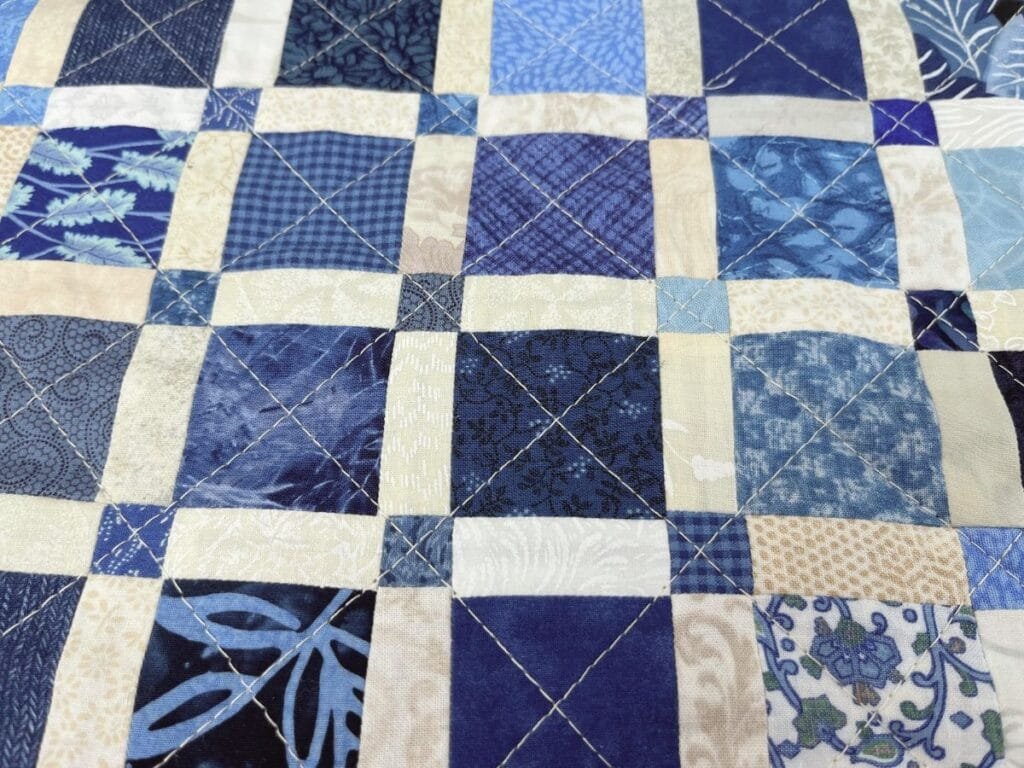
After finishing the first set of straight diagonal lines, I repeat the process from the opposite direction to create an “X” pattern across each square. Even though I’ve done this a few times, it still feels exciting to see the pattern emerge.
I start from the center and work outward. The lines aren’t perfectly straight, but I’ve learned that’s okay — it gives each square a unique character. Every pass through the machine teaches me more about controlling the fabric, maintaining consistent stitch length, and trusting the process.
I also notice that quilting diagonally in the opposite direction is a little more freeing than the first set of diagonal lines. With no pins in the way, I can focus on rhythm and flow. I’m learning to balance adjustments while letting the fabric guide me, and trusting myself is one of the lessons I appreciate most in quilting.
Watching the “X” pattern form brings a lot of satisfaction. Even after several table runners, I find that each project reinforces skills I’ve already practiced while introducing new challenges and moments of learning.
Machine Quilting Tips I’ve Learned
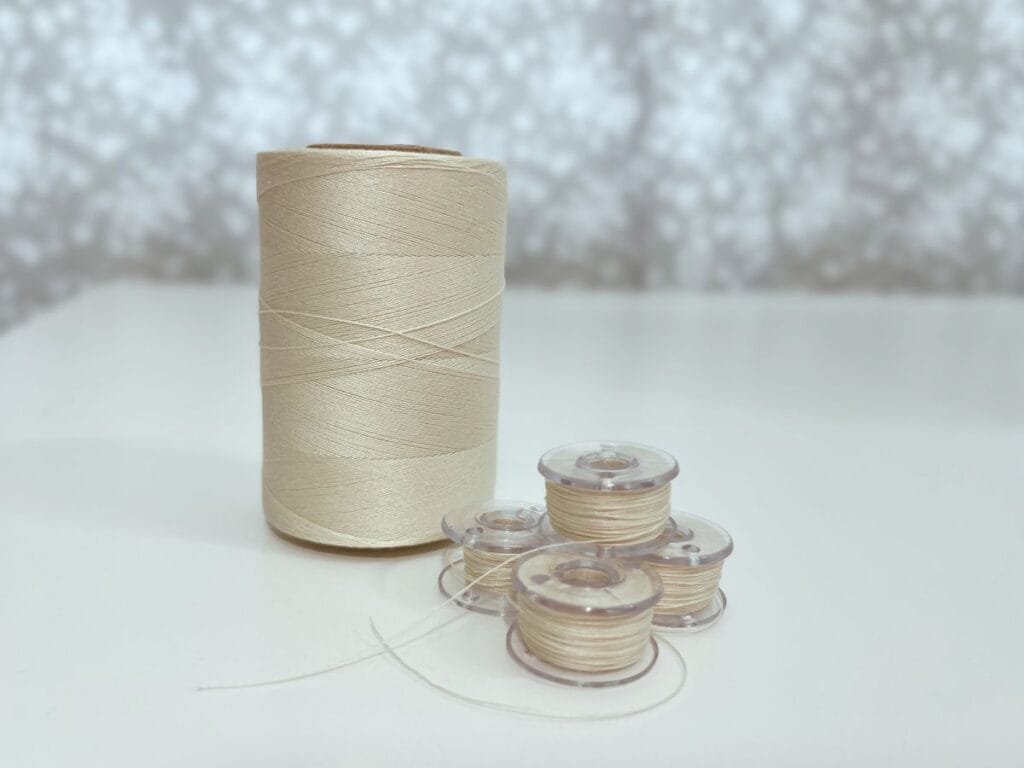
If you’ve sewn a few projects like me, small habits make a big difference. Supporting the quilt sandwich so it doesn’t drag, guiding gently, and avoiding being heavy-handed improves the outcome.
I also wind extra bobbins, organize pins, and take time to make my workspace comfortable. Preparation makes the process smoother and more enjoyable. I’ve found that slowing down and paying attention to small details without getting fixated on them helps me avoid mistakes and increases my confidence.
Another tip I’ve learned is to accept imperfection. My lines wander slightly, some stitches are uneven, and sometimes the blocks aren’t perfectly aligned. That’s part of the process. Every project is an opportunity to learn, improve, and enjoy the creative experience without pressure.
Machine quilting is also a great reminder that growth happens over time. Each table runner is a stepping stone, building skills and confidence for the next project. Focusing on progress rather than perfection keeps me motivated and makes quilting fun.
Managing Pins Without Stress
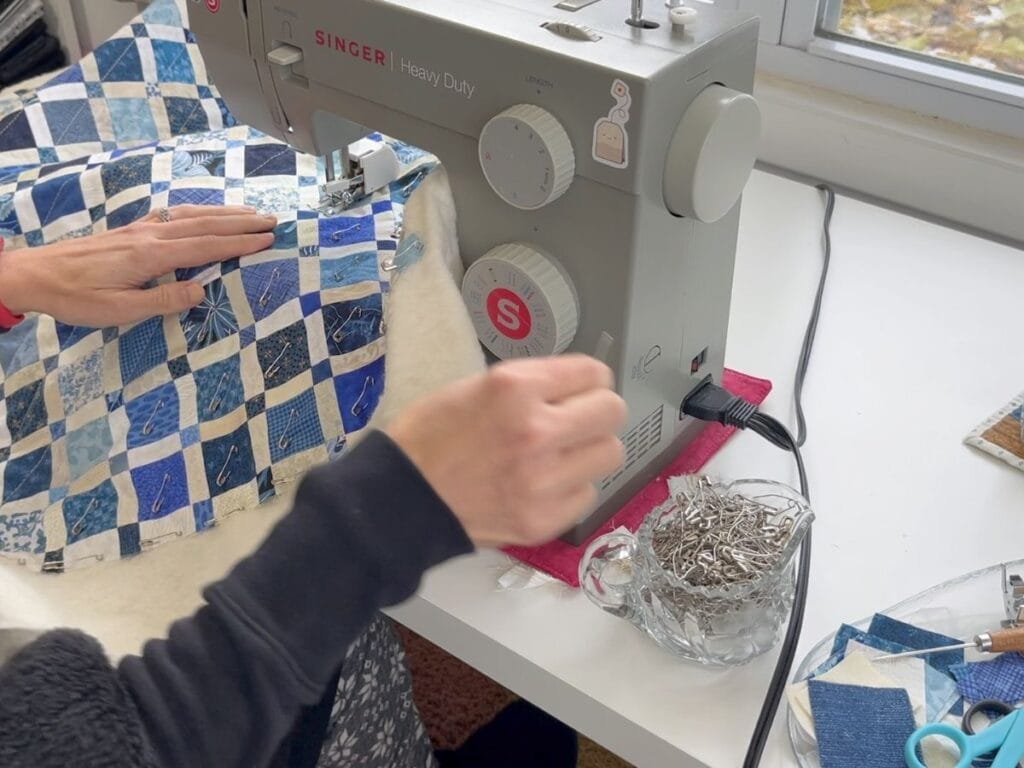
Pins are essential, but it can feel overwhelming sometimes to need so many — about one pin every four inches. I remove each pin just before the needle reaches it. Sometimes other safety pins that “need” to stay are nearby — it surprises me that my walking foot can manage going over some of these obstacles, which gives a small jolt and makes me laugh at myself. I’m not always sure if I should have just removed the basting pins that were so close.
I keep pins organized in a pretty dish and try to handle them mindfully. Setting pins where they belong is a good practice. It reminds me to slow down, be present, and maintain order in my workspace.
I’ve also noticed that pin placement can change how the quilt holds together as I sew. I’ve found that the more basting pins I use, the less shifting and fewer problems I encounter. These small habits improve the sewing experience and make quilting more enjoyable overall.
Mindfulness and Reflection While Quilting
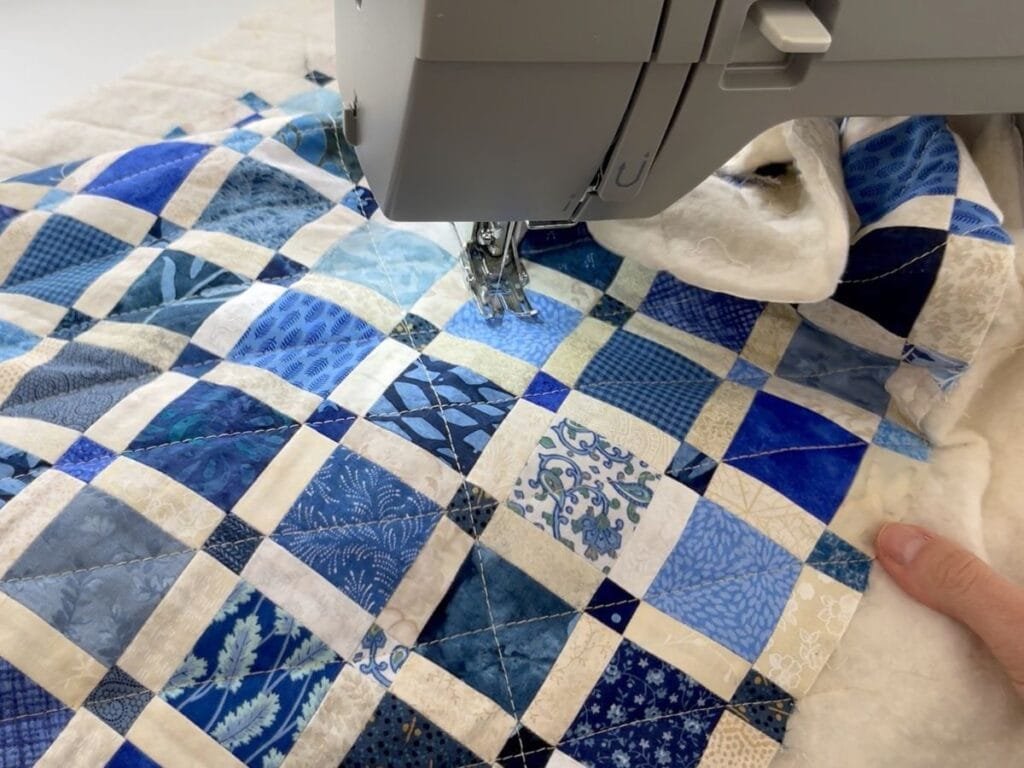
Machine quilting gives me a chance to focus fully on the moment. I notice the texture of the fabric, the sound of the machine, and the movement of my hands guiding the quilt. It’s a calming, almost meditative experience.
I often think about DBT skills while sewing — awareness, patience, and acceptance. If a line isn’t perfect, I reflect on how it’s part of the learning process. Each stitch is a small reminder that progress matters more than perfection.
Even after several table runners, quilting still feels therapeutic. The rhythm of stitching, combined with mindful focus, helps me slow down and appreciate each step. It’s a gentle practice that combines creativity, skill-building, and self-care.
Ready For Binding
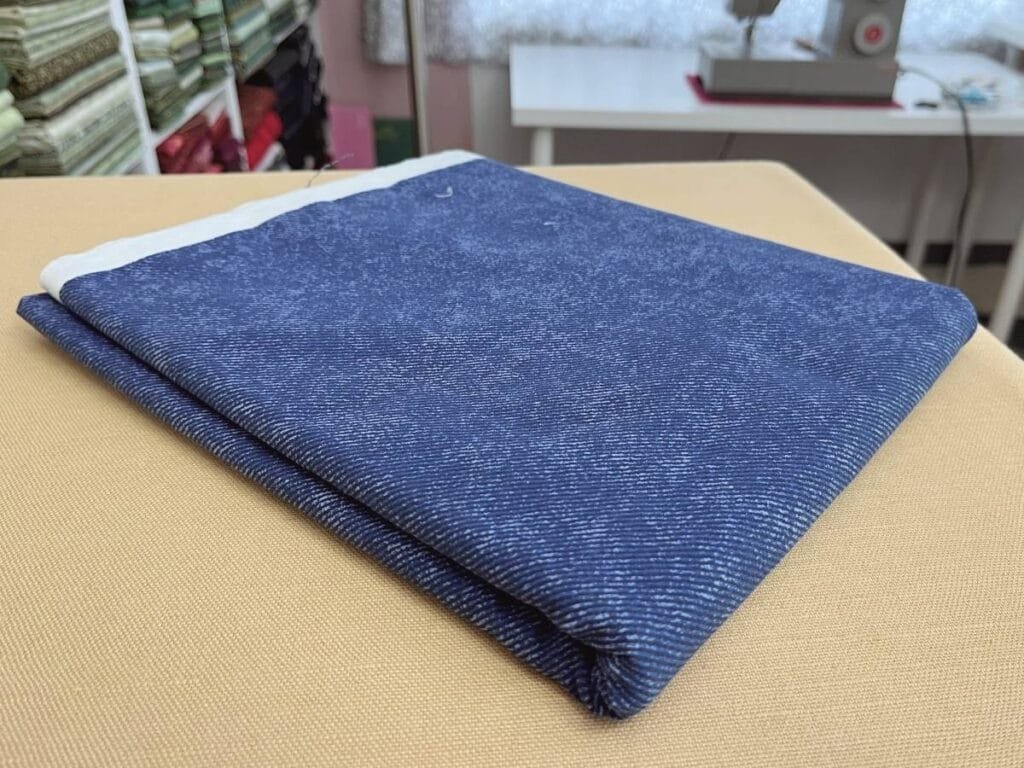
Now that the quilting is done, I will move on to binding. My stitches aren’t perfect, but they feel neat and complete, which is satisfying. I have my fabric chosen, and I will be cutting it into strips in the near future.
Each project reinforces lessons from previous ones. I notice where I’ve improved and where I can refine my technique. Finishing a table runner is a reminder that quilting is a journey — one that combines skill, patience, and creativity.
Even as a hobbyist, finishing gives a real sense of accomplishment. Each project, with its small imperfections and successes, strengthens my confidence for future quilting adventures.
Celebrating Progress
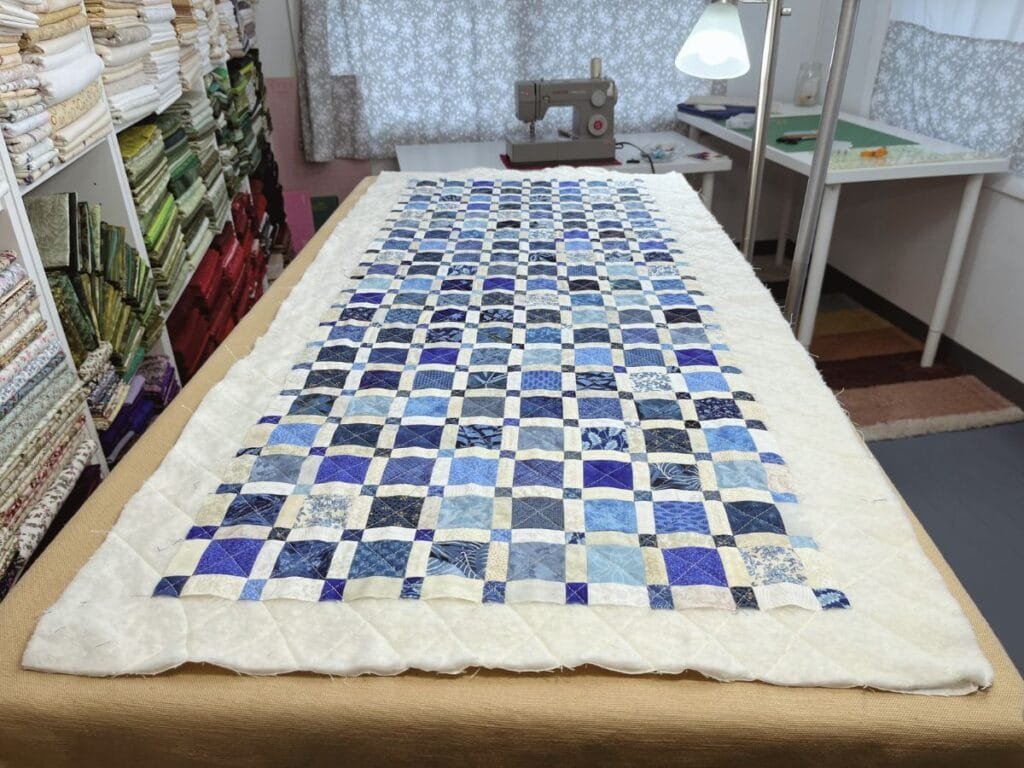
Completing a table runner always feels rewarding. Machine quilting is a journey, and every project teaches me something new. Even when my lines aren’t perfect or stitches wander, each project reflects my growth and creativity.
Sharing my projects, celebrating small victories, and reflecting on lessons learned keeps me motivated. I may not be a professional, but I’ve built confidence, skills, and appreciation for the process. Machine quilting is about enjoying the journey, learning from each stitch, and embracing imperfections along the way.
Each table runner reminds me that growth happens stitch by stitch, and that every project is worth celebrating.