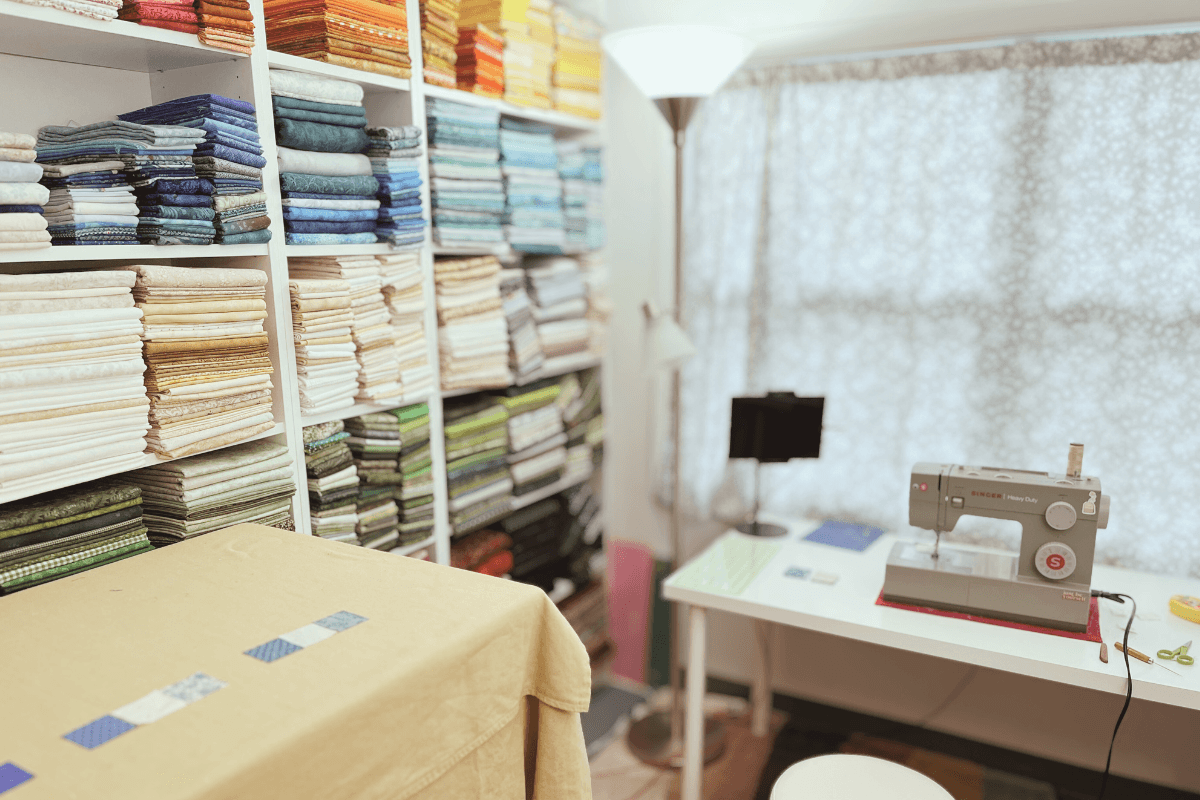
My sewing room once felt like a refuge. Yet one week, frustration took over. I deleted everything, but my YouTube videos—every post, every picture, every stitch I had shared online. I told myself it didn’t matter. But deep down, it did. The regret hit me fast, like slicing fabric the wrong size after hours of work. My emotional intensity before that moment was a dizzying 80. I felt like I had ruined everything. I did not manage to use problem solving skills in time.
Now I understand that deleting my sewing posts wasn’t the real solution—it was a reaction to pain. I’ve done it before, and each time, the guilt lasts longer. The true problem wasn’t the crooked seams or uneven blocks. It was the way I spoke to myself when I made mistakes. That harsh inner voice cut deep.
But I’m starting to name what’s real. The problem isn’t my creativity—it’s my self-criticism. And the only way to heal is through honesty. I can’t undo that moment, but I can move forward with more grace and less judgment. That, to me, is the first real stitch in emotional recovery.
Problem Solving Starts with the Facts, Not Feelings

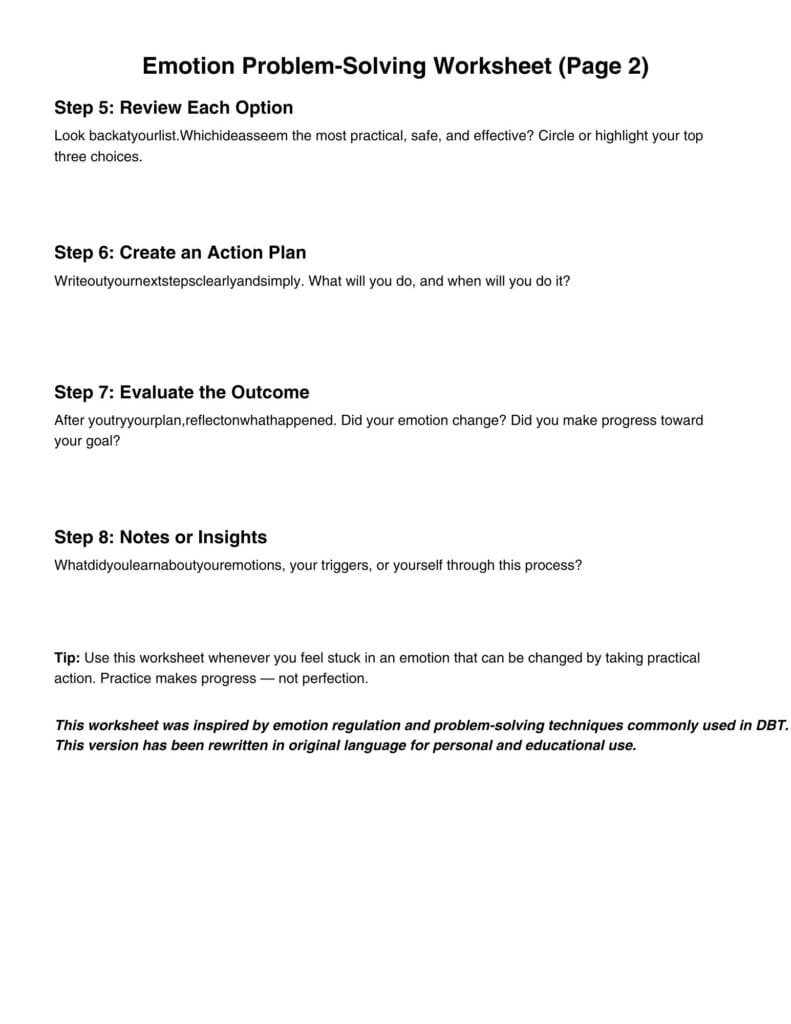
When emotions rise, truth often hides. I felt like I had failed, but feelings aren’t facts. And problem solving means sorting through that difference. The fact is, I deleted my work, I now miss what I erased, some of my quilt blocks were actually beautiful—even if I couldn’t see it then.
Those facts ground me. They remind me that what I created mattered, even in its imperfection. I can’t get back those exact posts, but I can rebuild with more care. Deleting my sewing content didn’t destroy my creativity—it only dimmed it for a while. The light is still there.
Problem solving begins with honesty. Once I separate what I feel from what I know, I can take practical action. The truth is, my art doesn’t have to be perfect to be meaningful. I just need to pick up the needle and start again.
A Small Goal with a Single Breath
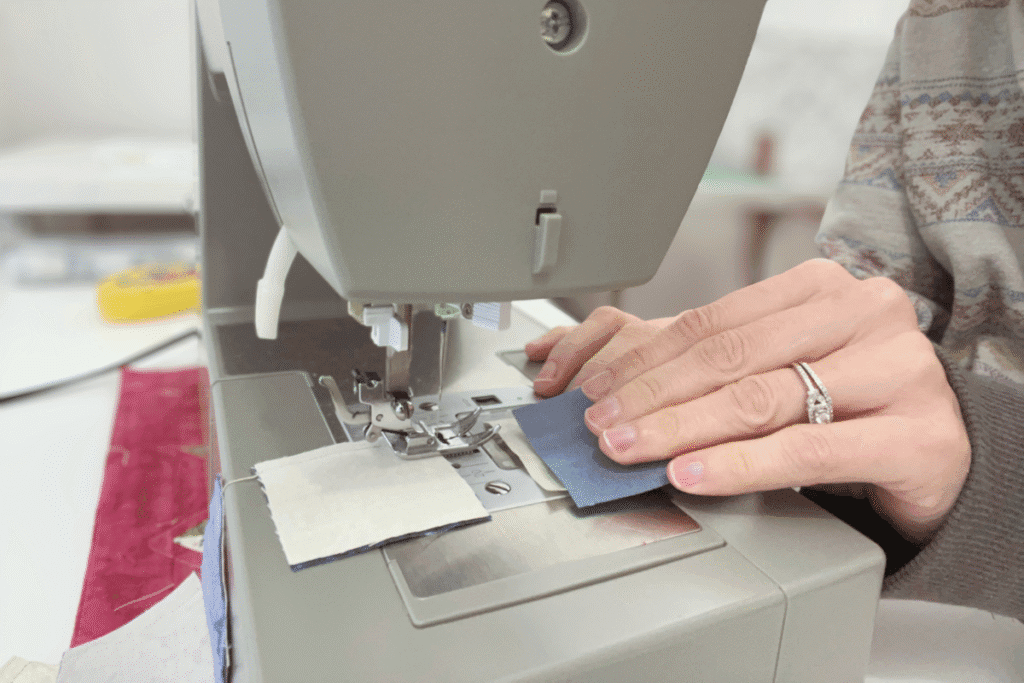
Progress doesn’t have to be enormous. Sometimes it’s a single square of fabric, a single breath. My new goal isn’t to rebuild my whole blog overnight—it’s to forgive myself. I’ll start small: one new post, one new block, one authentic story about struggle and hope.
In sewing and in life, problem solving often begins with patience. I can’t rush healing, but I can stay consistent. I can choose to be kind when my seams unravel or when my video feels awkward. Every imperfect creation still has value.
So, I’ll focus on what I can control. I’ll create slowly, with gentleness. Each stitch will remind me that progress isn’t about perfection—it’s about courage. One block, one photo, one moment at a time.
Sewing, Self-Care, and Problem Solving in Action
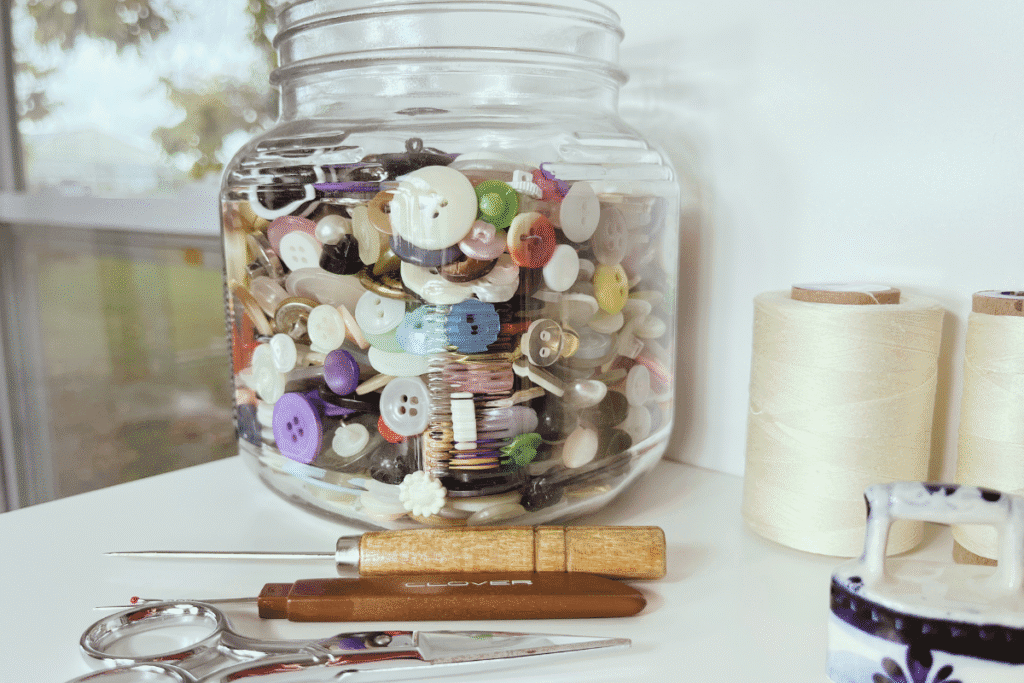
When that familiar wave of overwhelm hits, I stop. Literally. I use the STOP skill from DBT: Stop, Take a step back, Observe, and Proceed mindfully. Instead of deleting everything, I breathe, stretch, and remind myself—I am enough right now.
Problem solving doesn’t just fix what’s broken; it reshapes how I respond to stress. Sewing helps me do that. Each piece of fabric I cut teaches patience. Each crooked line whispers, “You’re moving forward.” The act of stitching quiets the chaos in my mind.
Sewing and self-care weave together beautifully. They remind me that art and healing are not separate. Every thread I pull becomes a gentle promise—to care for myself while I create.
Choosing What Works, Not What Hurts
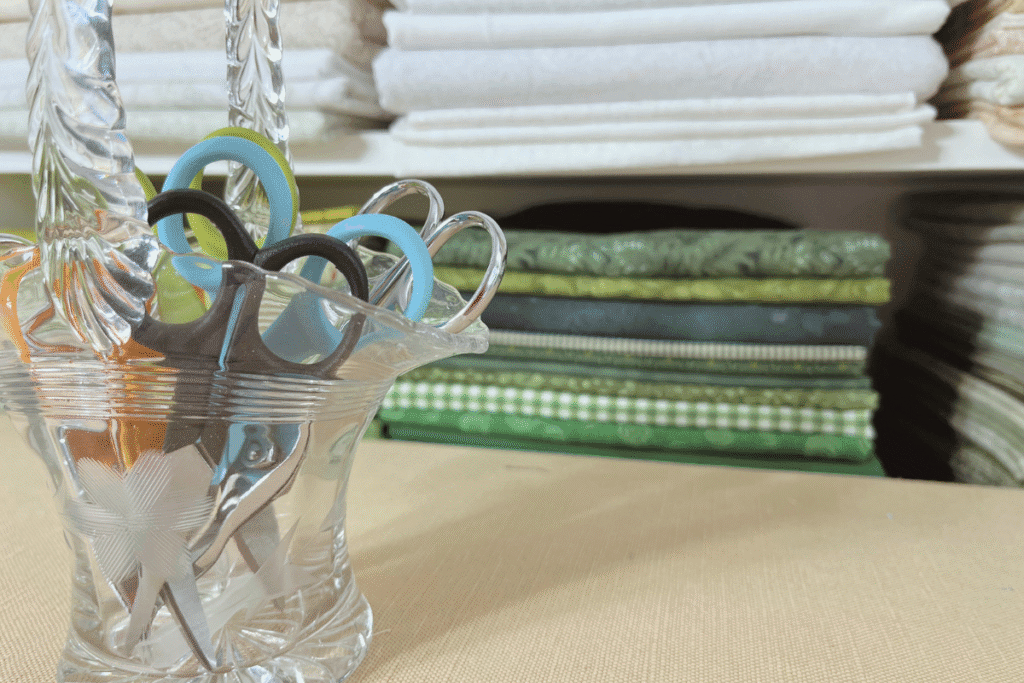
Once I listed my options—take breaks, sew for me, validate my feelings—I circled the ones that felt most grounding. These became my tools for emotional stability. They’re simple, but powerful. They work because they come from compassion, not punishment.
Problem solving thrives on practicality. When I sew only for myself, I reconnect with the joy that first drew me in. Self-validation helps me stop comparing my stitches to others’. And the STOP skill keeps me from reacting when emotions spike.
Each time I choose these healthier habits, I reclaim control over my creative life. These small, steady choices protect my peace and help me build something stronger than before—trust in myself.
Turning Plans into Thread and Action

I’ve built a plan, and now it’s time to live it. I’ll keep sewing, even when I feel low. I’ll film small videos about mental health and creativity. When discouragement hits, I’ll remind myself that showing up counts more than showing off.
This is problem solving in motion—where emotions and actions finally meet. Instead of deleting, I’ll create. Instead of hiding, I’ll share. Sewing becomes both therapy and expression, a soft rebellion against perfectionism.
Every stitch is a step toward self-trust. And every post I share is a reminder that healing is not about hiding pain—it’s about transforming it into something beautiful.
Measuring Progress in Self-Esteem, Not Followers
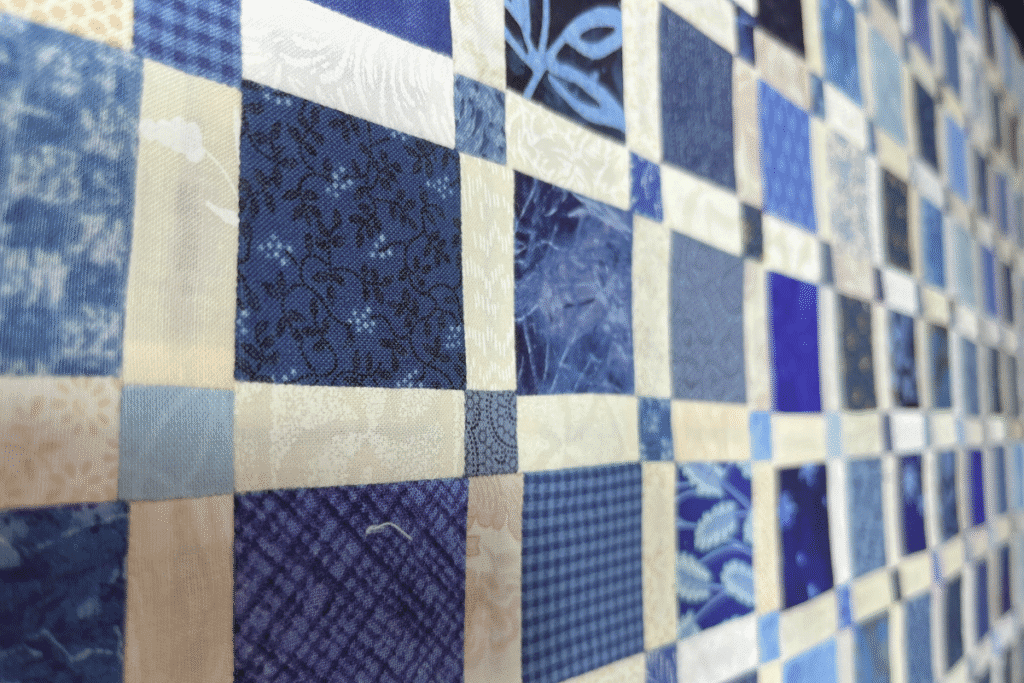
Healing doesn’t always look flashy. Sometimes, it looks like emotional quiet. My intensity dropped from 80 to 20. That’s huge progress. I feel lighter—like the weight of regret is unraveling.
Problem solving in sewing isn’t about chasing likes. It’s about staying consistent when no one’s watching. I measure success by how calm I feel when I finish a project, not by the number of views. The joy comes from the process, not the applause.
Each small finish is proof that I’m healing. I’m rebuilding both my blog and my self-belief—stitch by stitch, moment by moment.
Gentle Lessons from Needle and Thread
This journey taught me something powerful: I am both sensitive and strong. My sensitivity makes me doubt myself, but it’s also what gives my work its depth and warmth. I’m learning that my emotions aren’t flaws—they’re signals.
Problem solving reminded me that feelings deserve space. They can guide me toward self-care, not self-destruction. Sewing through those emotions gives me grace, resilience, and creativity. I do not wish to chase perfection. I wish to chase peace.
So, I’ll keep sewing. I’ll keep forgiving. I’ll keep creating with an open heart and a steady hand. Because in the end, it’s not about what I lost—it’s about what I’m learning to rebuild.