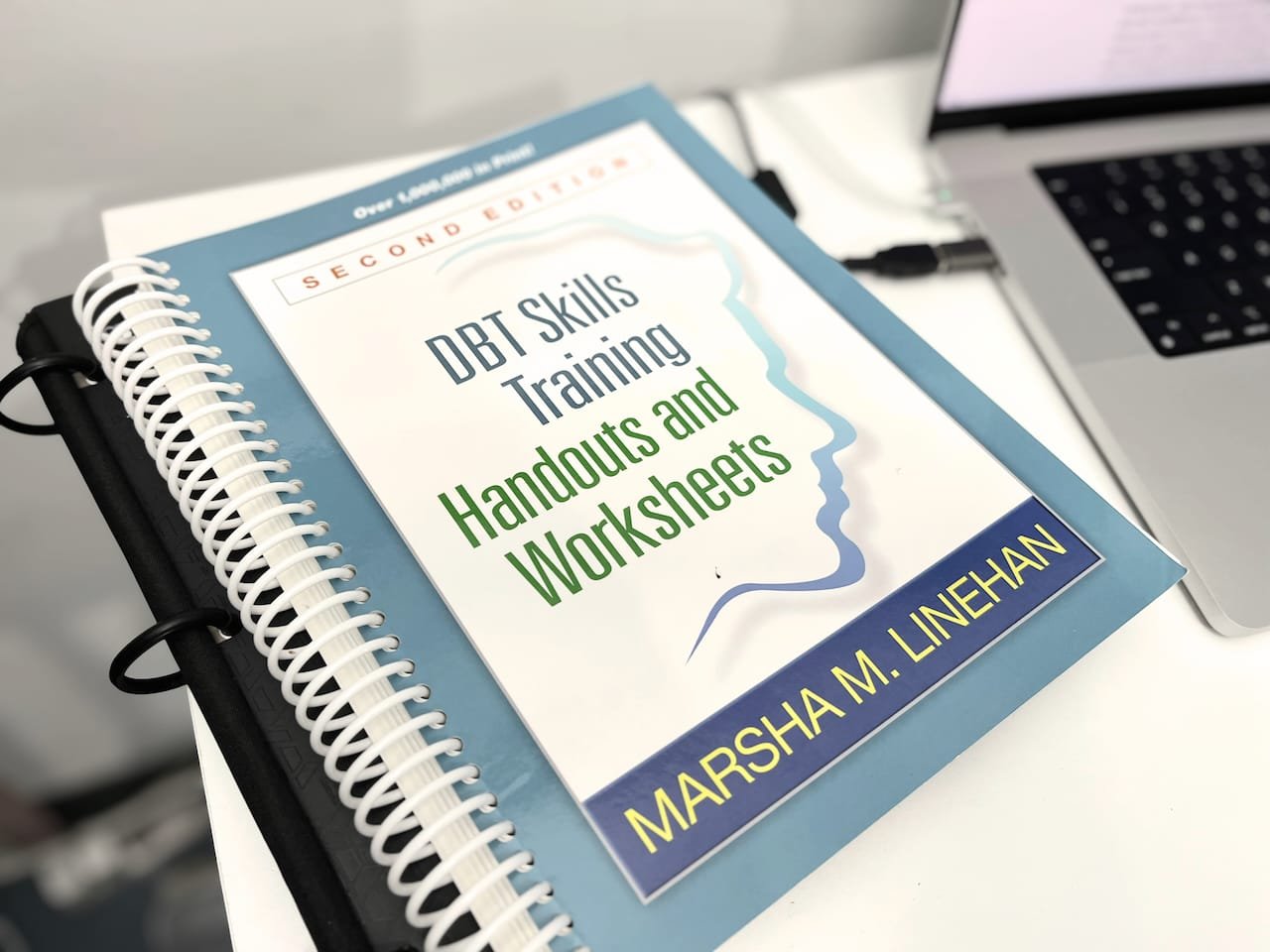
I’m practicing a problem solving skill from Dialectical Behavior Therapy, and the first step is to name what the problem is. For me, it’s learning how to keep pushing forward with my passion for sewing when overwhelm takes control. Have you ever felt that same creative exhaustion—the kind that whispers you’ve failed? That’s exactly where I found myself not long ago.
A few weeks back, I deleted everything—my blog, my posts, my work. Not because I wanted a clean slate, but because shame and comparison took over. As a result, I lost all the progress I’d made. Seeing others so far ahead made me believe I wasn’t enough. That false relief of hitting “delete” didn’t solve anything.
Looking back, I wish I had paused and used distress tolerance skills like the STOP skill. If I had paused, I might have seen that deleting wasn’t a solution—it was avoidance. However, instead of dwelling on regret, I’m choosing to rebuild. Each word, each stitch, each small effort now becomes an act of healing. In this way, I’m turning my setback into progress, and that’s where true problem solving begins.
Problem Solving Means Slowing Down, Not Giving Up
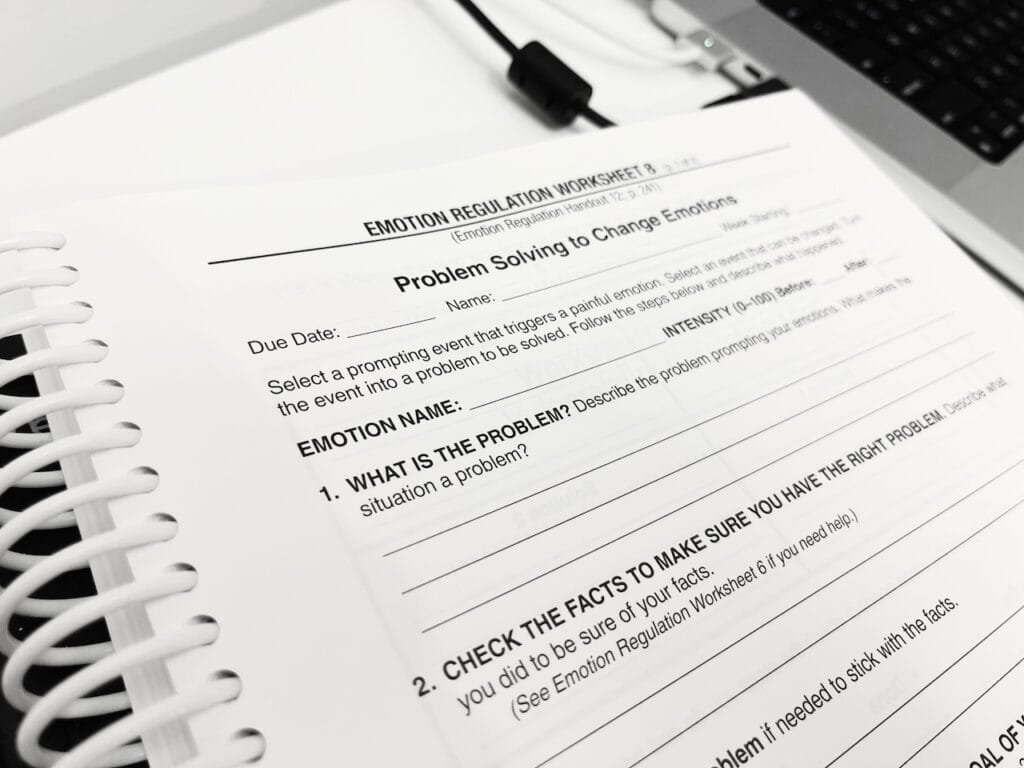
When overwhelm hits, my instinct is to rush or quit. However, problem solving in emotional moments means slowing down, taking a breath, and finding balance. By slowing down, I give myself the chance to respond wisely instead of reacting impulsively.
Slowing down lets me check the facts—not just the emotional ones. Emotion tells me I’m failing, while reason reminds me I’m learning. As a result, I can find my wise mind, the middle ground between feeling and logic. Wise mind tells me, “Keep sewing.”
The rhythm of stitching quiets chaos. It grounds me in the present moment, where I can see my effort instead of my flaws. Even though the pressure to do more still appears, I remind myself that overwhelm doesn’t mean failure; it means I’m human. Therefore, I can take breaks, honor my emotions, and still move forward. That’s what sustainable problem solving looks like—grace, patience, and progress at my own pace.
Fighting Self-Doubt with Compassion and Action
Thoughts like “I’m not good enough” or “No one cares” come and go, but they aren’t the truth. They’re fear in disguise. The truth is that effort matters far more than perfection. When I share my sewing journey, even with mistakes, I connect with people who feel the same. Because of that, I find connection instead of isolation.
Sewing slowly or forgetting steps doesn’t make me a failure—it makes me real. Moreover, it helps me practice patience and compassion. My only job is to keep creating, even when it’s uncomfortable. The more I accept imperfection, the more I grow.
From now on, I’ll leave up my old posts and projects—the quilt blocks, the tutorials, the imperfect attempts. Those are milestones, not mistakes. Therefore, I’m choosing honesty over shame and creation over erasure. That simple choice itself is problem solving—learning to keep what’s real and let go of what doesn’t serve me.
Sewing as Emotional Healing and Growth
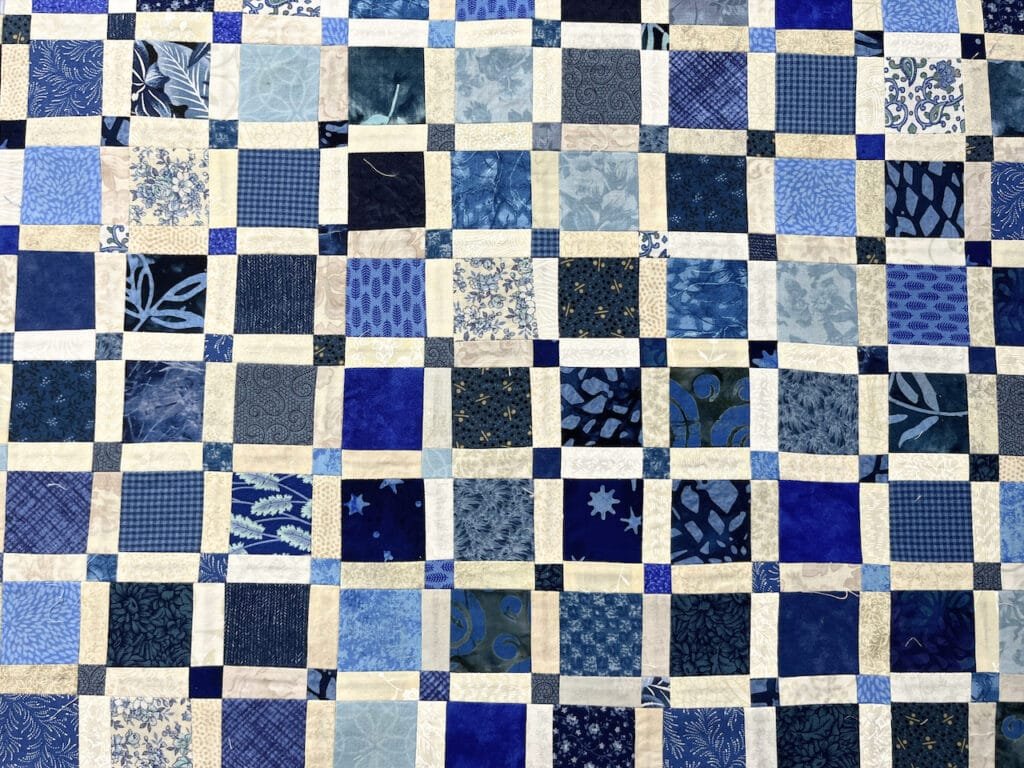
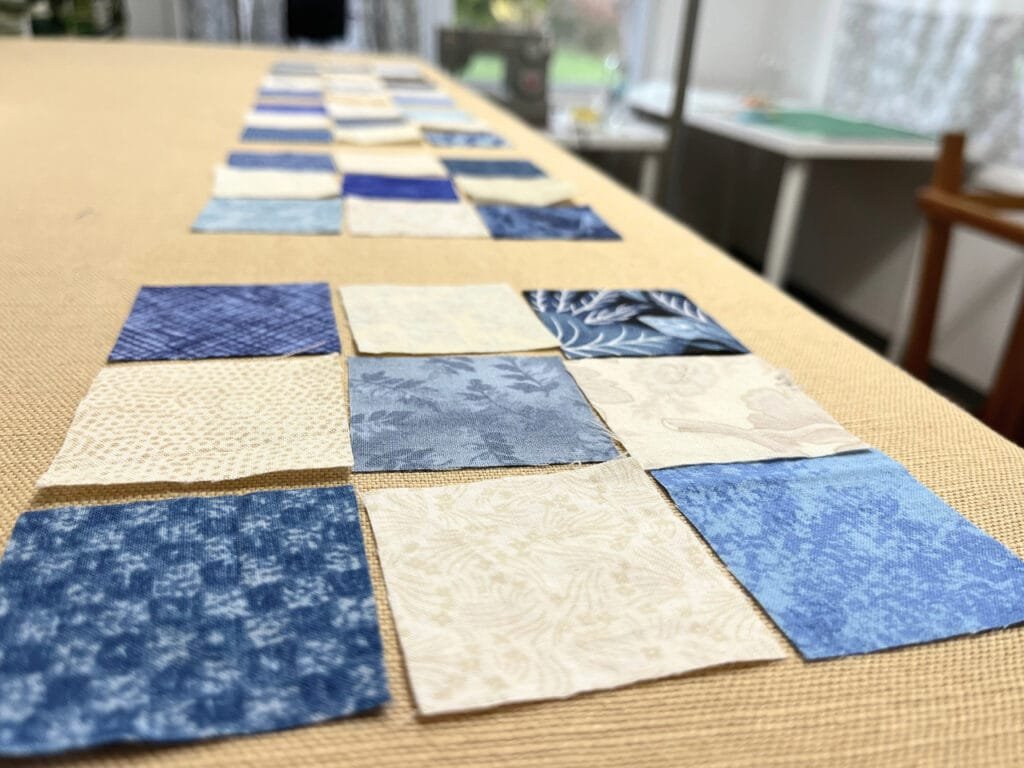
These days I’m working on a disappearing nine-patch table runner with a cornerstone and sashing pattern. It’s far from perfect, but that’s not what I’m chasing. Instead, the goal is presence. Sewing reminds me to breathe, stay in the moment, and focus on what’s right in front of me.
Each seam I sew becomes a grounding exercise. Every small imperfection becomes proof that I showed up. Because of that, I see the beauty in process over outcome. Stitching teaches patience, mindfulness, and trust—skills that spill into every part of life.
When I stop fighting imperfection, I find peace. That’s the beauty of sewing: it keeps me anchored in the moment and reminds me that progress, not perfection, is what matters most. In fact, the act of staying present is its own kind of emotional repair—healing through creativity, one stitch at a time.
Lessons from YouTube: Creative Problem Solving in Action
One decision I don’t regret is keeping my YouTube videos online. Deleting them would’ve erased years of effort and connection. My most popular video—a jelly roll rug tutorial—still makes me proud every time someone leaves a comment saying it helped them. Because of that encouragement, I keep creating even when motivation runs low.
Progress doesn’t always shout. Sometimes it’s quiet, hidden in the steady rhythm of sewing one piece at a time. Nevertheless, that slow progress still moves me forward.
Perfection sometimes feels like the goal, but I know it’s consistency that matters most. Showing up honestly, even when the lighting isn’t perfect or the stitches aren’t straight, is real creative courage. On the other hand, waiting for perfection only feeds fear. Consistency builds confidence—and that’s problem solving in motion.
Emotional Strength Is the Real Creative Power
I’ve been in DBT therapy for seven months now, and I’m learning that emotional strength is a creative force. Managing feelings doesn’t weaken you—it deepens your art. Sewing gives those emotions a safe place to land.
Through mindfulness, distress tolerance, and emotion regulation, I’m learning to turn my emotions into something beautiful. Each project becomes emotional alchemy: fear turns into focus, shame transforms into compassion, and sadness becomes creativity. As a result, I’m creating not just with fabric, but with purpose.
If any of this resonates, I recommend DBT Skills Training Handouts and Worksheets by Marsha M. Linehan. It’s been life-changing for me. Sensitive people aren’t broken—we’re just wired to feel deeply. That depth is what gives our work heart. Ultimately, sewing and problem solving go hand in hand, guiding me through the storm one stitch at a time.